flyARIA Archive
NASA Spaceflight Programs
Human spaceflight and robotic flagships from Mercury to Artemis and Webb
A chronological guide to NASA’s major human spaceflight programs and selected robotic flagship programs, with original summaries and public-domain NASA photographs. This section sits beside the ARIA archive; it does not replace it.
ARIA—the Apollo / Advanced Range Instrumentation Aircraft—was built to support NASA’s Apollo flights when ground stations could not cover the oceans. Start with The Space Race or ARIA History for that story. The pages below cover the NASA flight programs themselves.
Human spaceflight
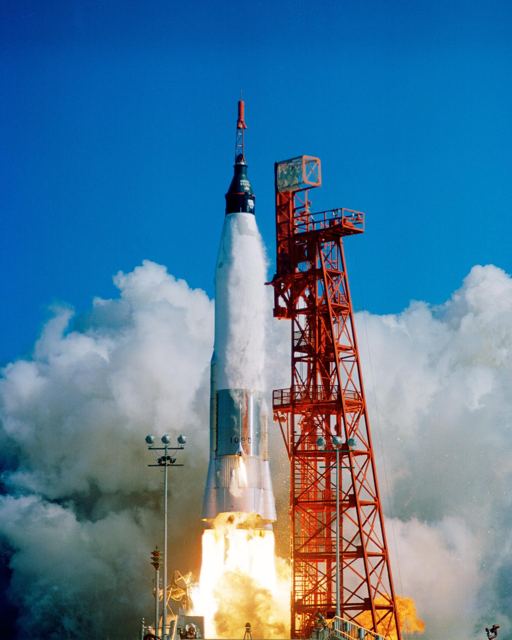 1958–1963
Project Mercury
America’s first human spaceflight program: one astronaut, one capsule, six crewed flights.
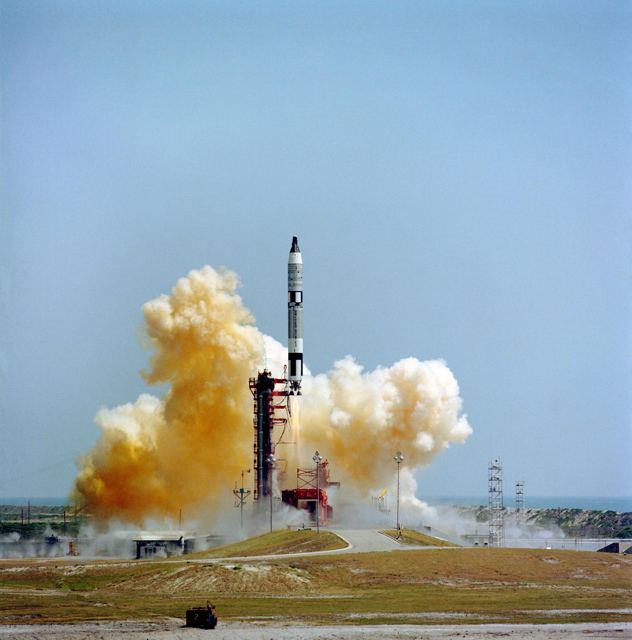 1961–1966
Project Gemini
The bridge to the Moon: rendezvous, docking, spacewalks, and two-week endurance flights.
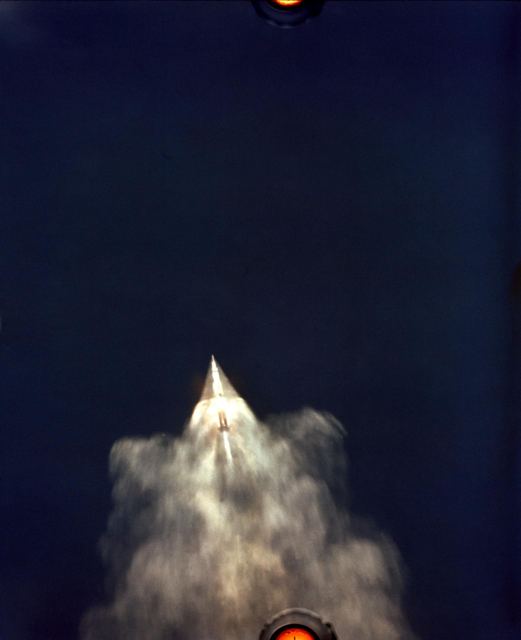
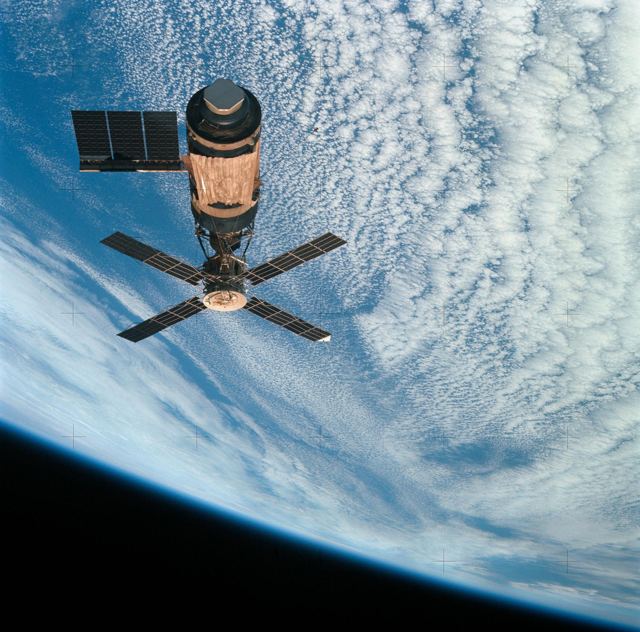 1973–1974
Skylab
America’s first space station, built from a leftover Saturn stage and lived in by three crews.
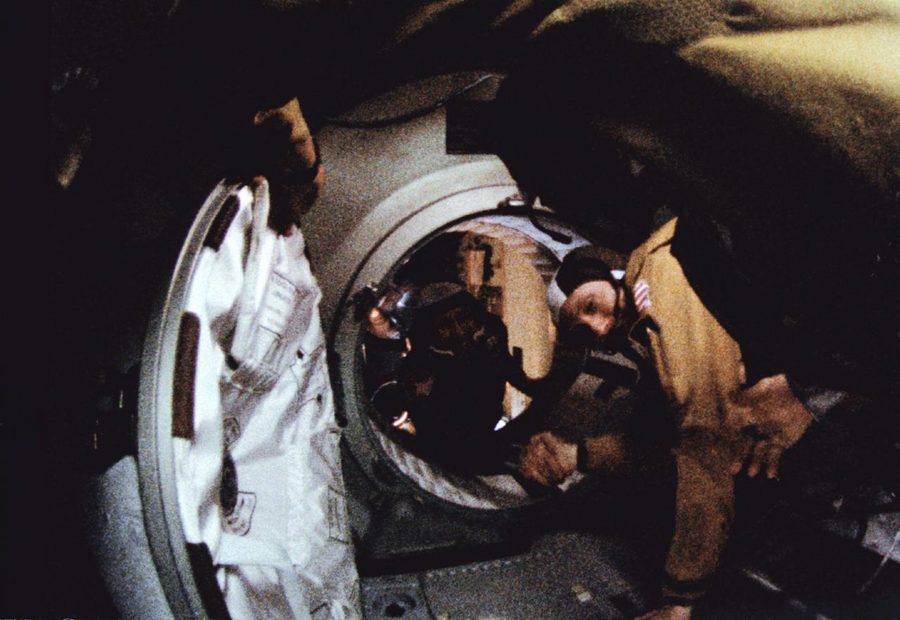 1975
Apollo–Soyuz Test Project
A docking in orbit and a handshake that closed the Apollo era and opened cooperation.
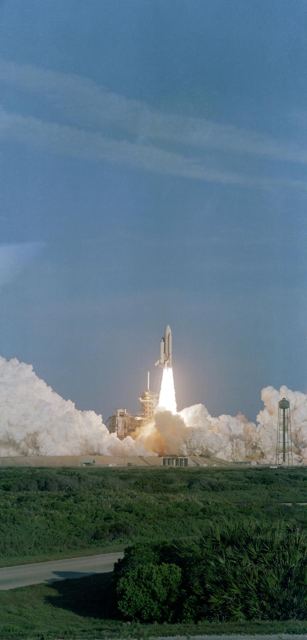 1981–2011
Space Shuttle Program
The world’s first reusable crewed orbital spacecraft: 135 missions over thirty years.
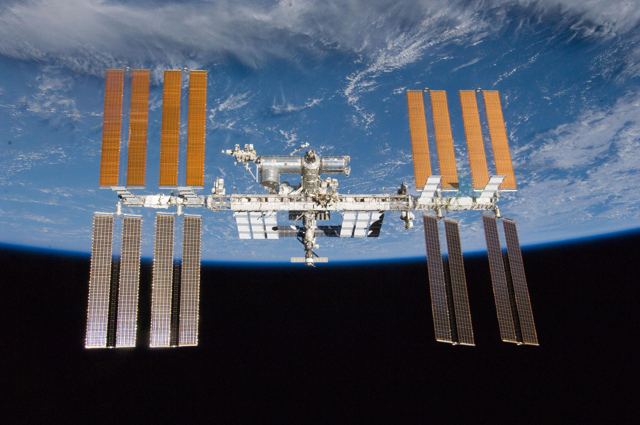 1998–present
International Space Station
A permanently crewed laboratory assembled in orbit by the United States and its partners.
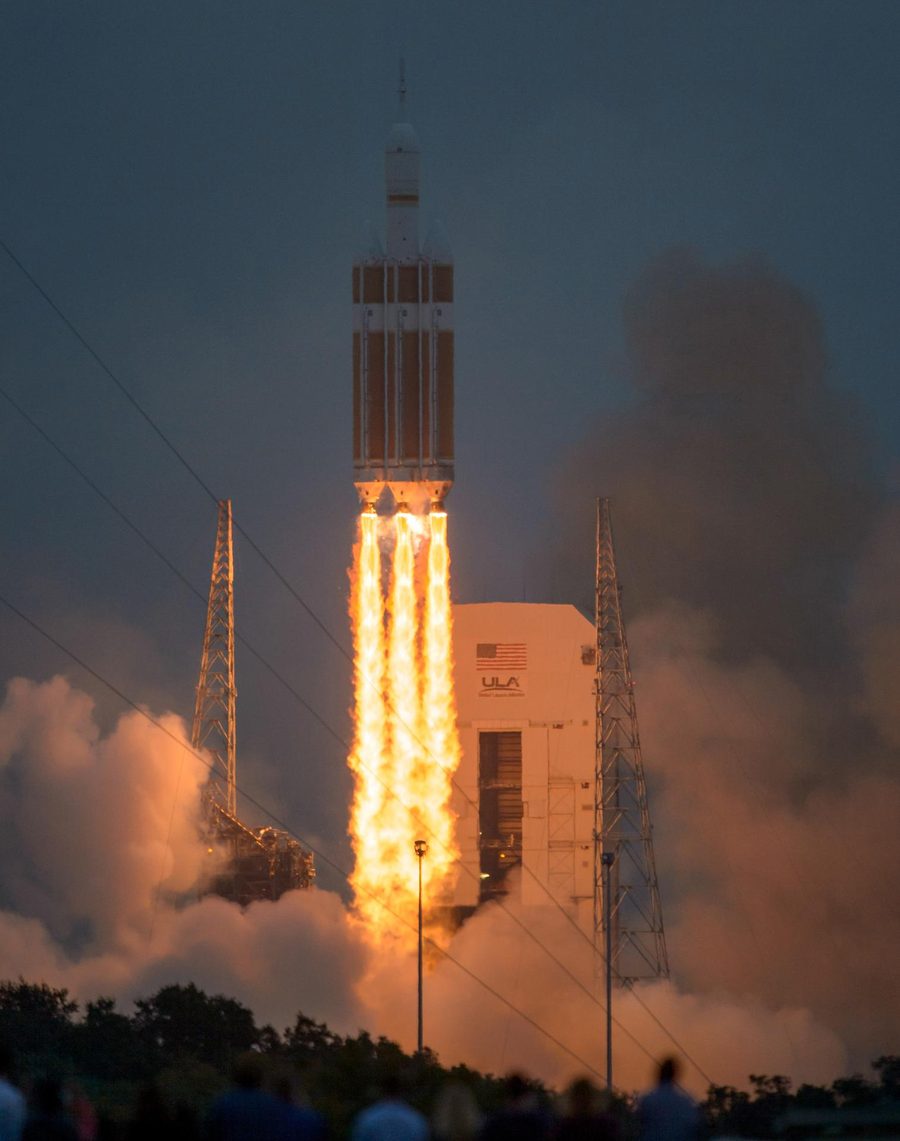 2005–2010
Constellation Program
A post-Shuttle architecture for the Moon—and the Orion spacecraft that outlived the program.
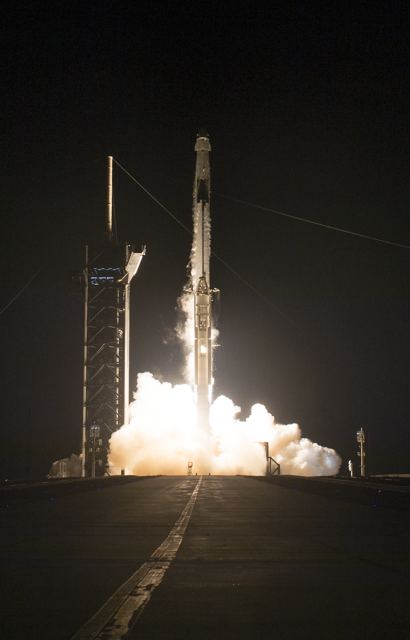 2010–present
Commercial Crew Program
U.S. industry flies NASA astronauts to the ISS from American soil again.
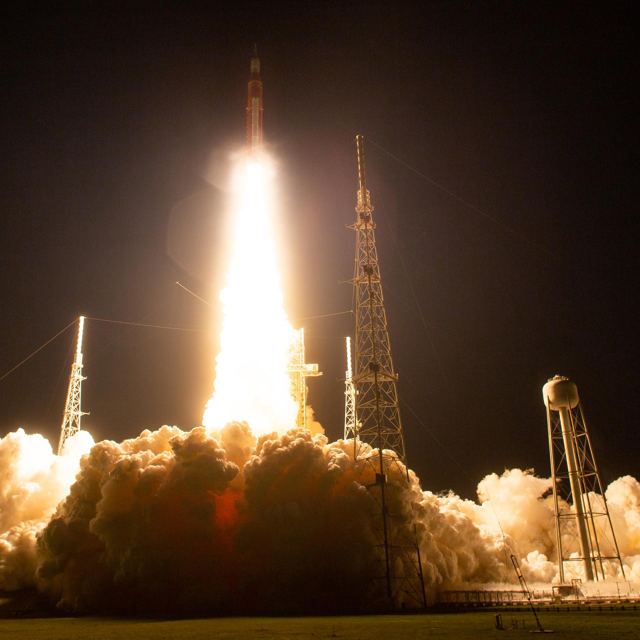 2017–present
Artemis Program
Return to the Moon with SLS, Orion, Gateway partners and commercial landers.
Robotic and flagship science
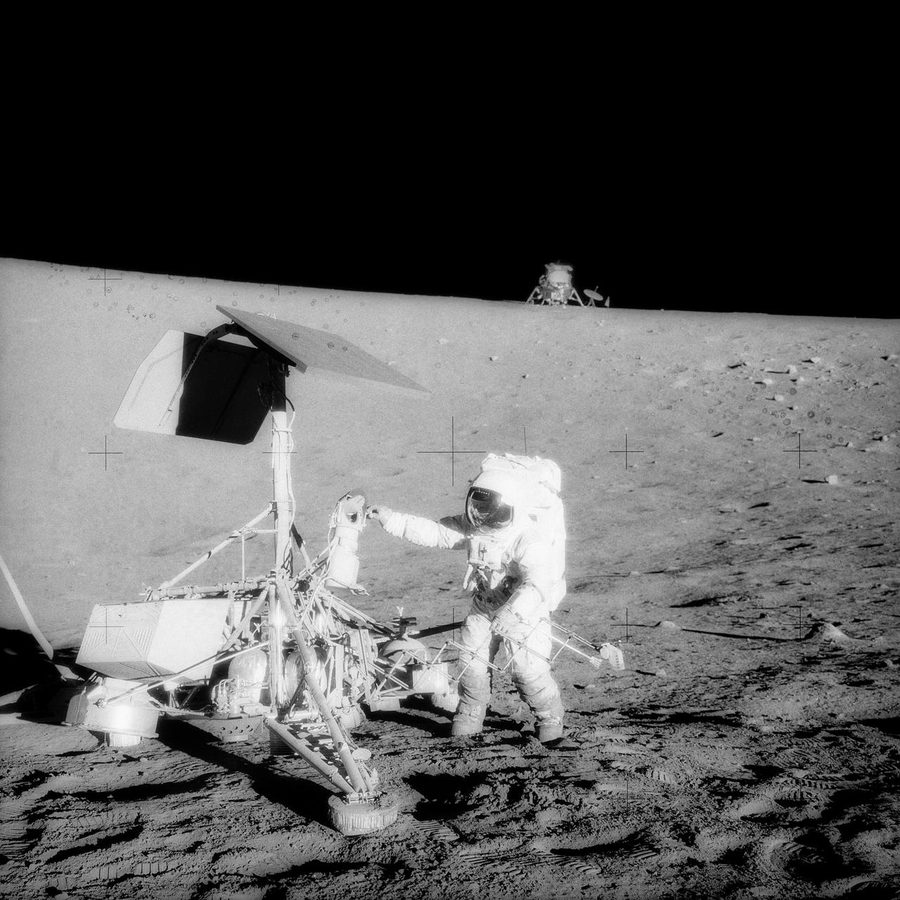 1961–1968
Ranger, Surveyor & Lunar Orbiter
Three robotic programs that mapped and soft-landed on the Moon ahead of Apollo.
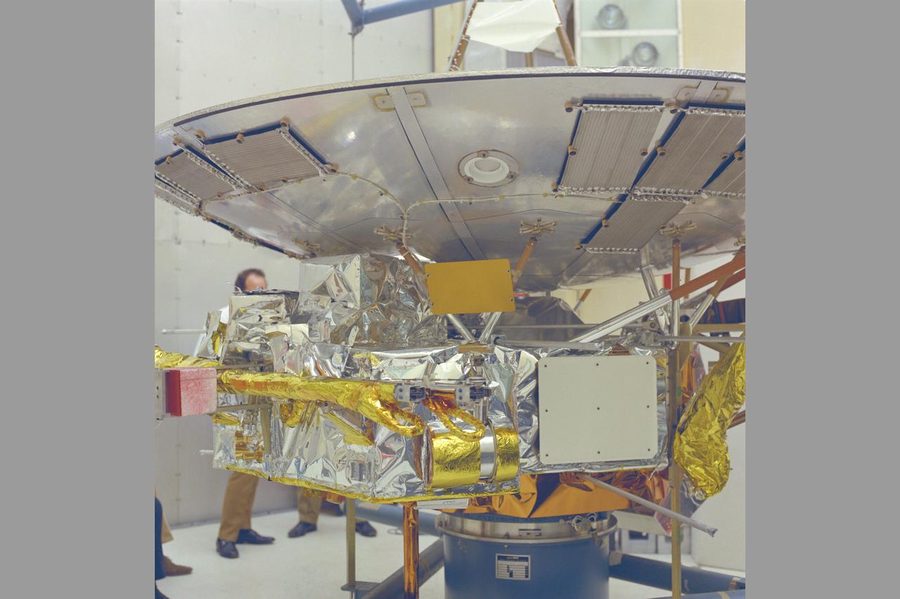 1958–1992
Pioneer Program
Early lunar and planetary probes—and the first spacecraft to leave the solar system.
 1962–1973
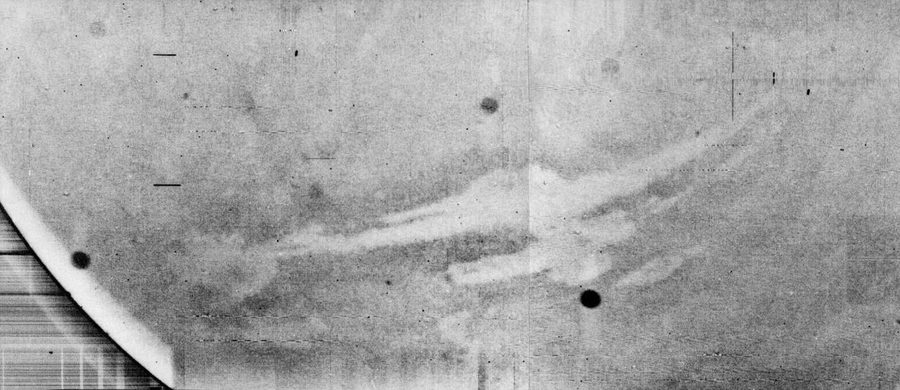
Mariner Program
NASA’s early planetary flybys and the first spacecraft to orbit another planet.
 1977–present
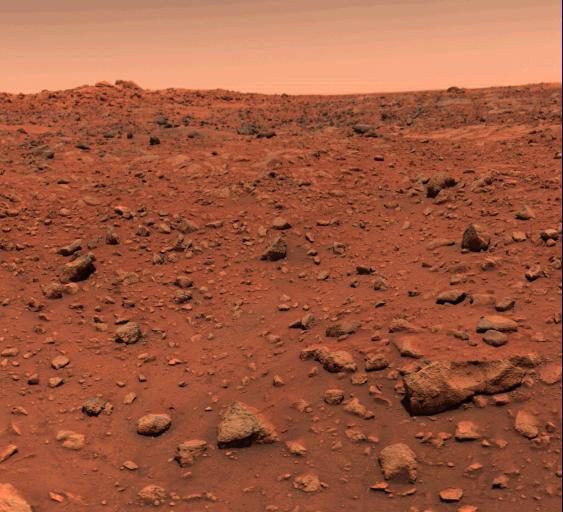
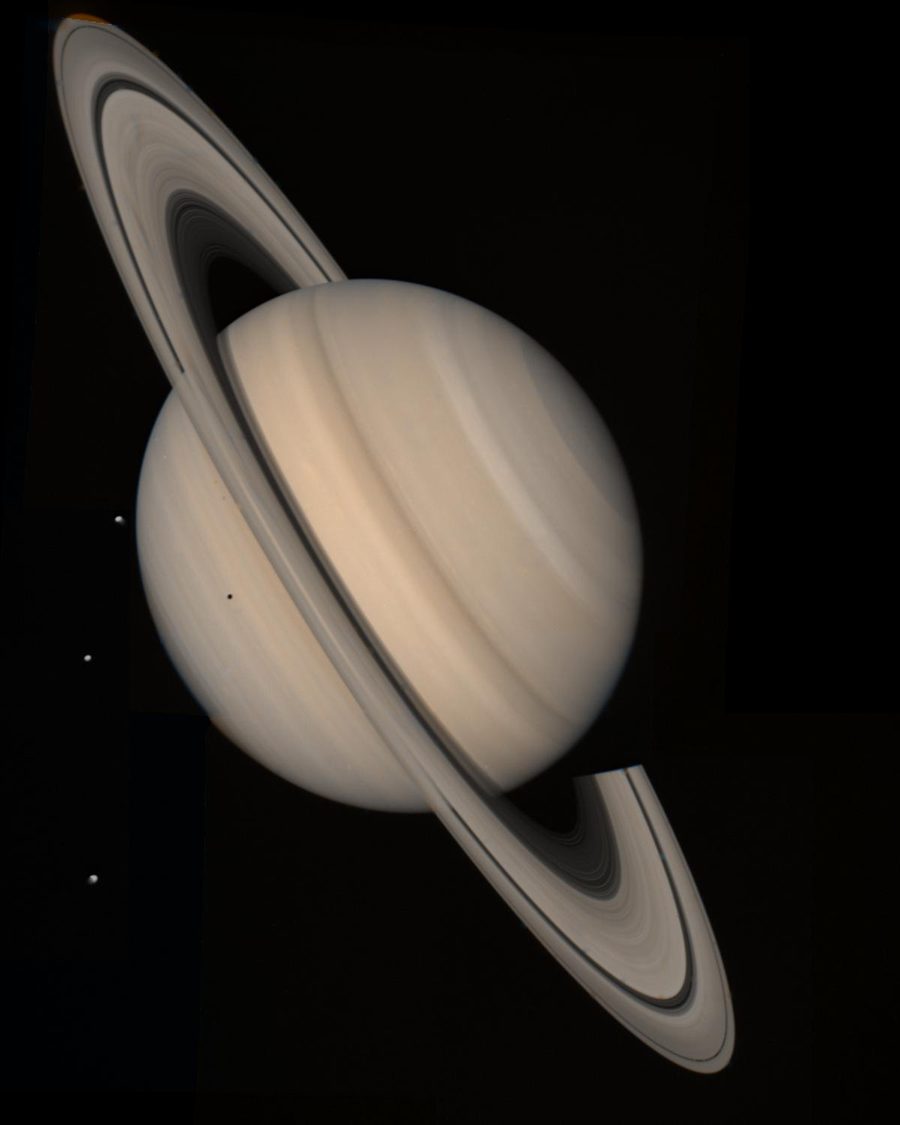
Voyager Program
Grand Tour of the outer planets—and humanity’s farthest working spacecraft.
 1989–2017
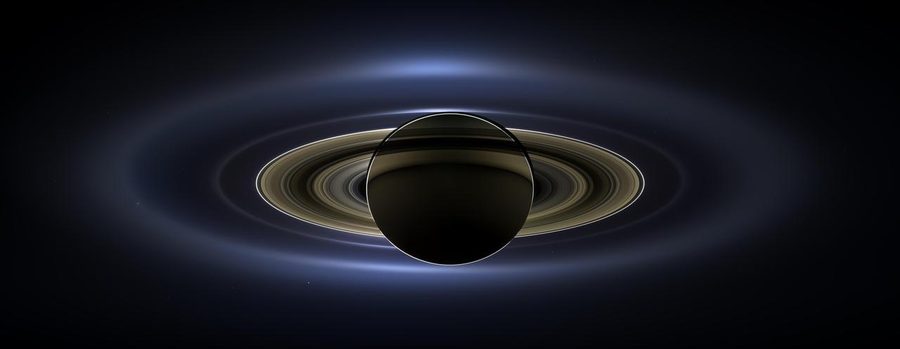
Magellan, Galileo & Cassini
Flagship orbiters that mapped Venus, explored Jupiter’s system, and lived at Saturn.
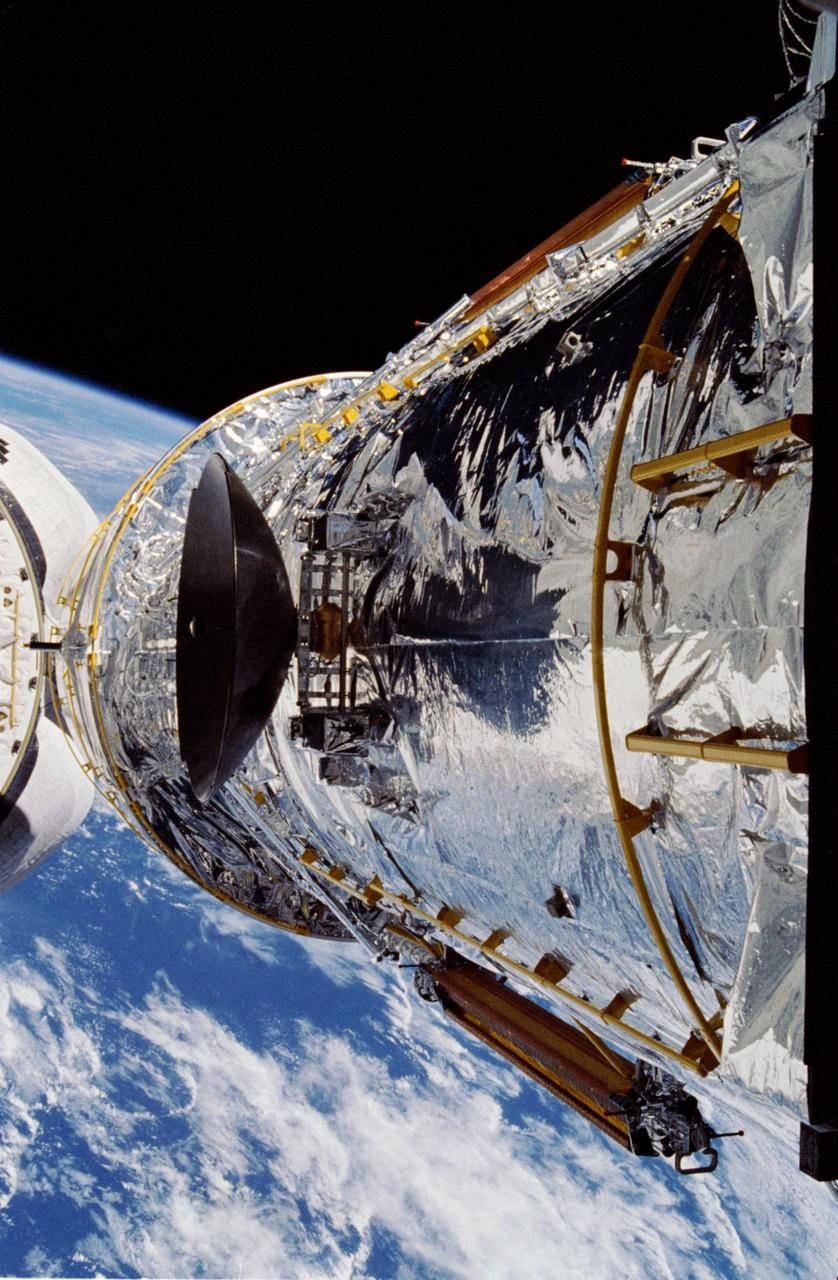 1990–present
Hubble Space Telescope
A reflecting telescope in orbit—and the Shuttle servicing missions that saved it.
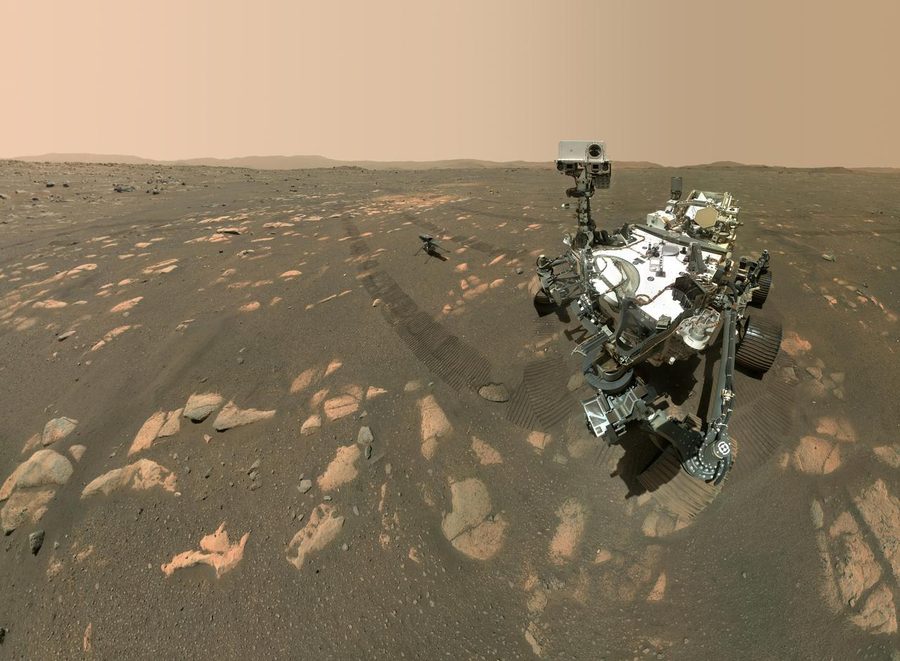 1990s–present
Mars Exploration Program
Orbiters, landers and rovers—from Pathfinder to Perseverance—reading Mars up close.
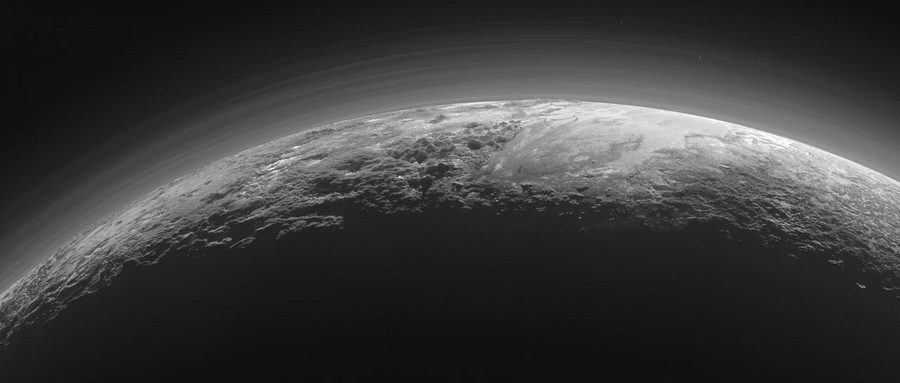
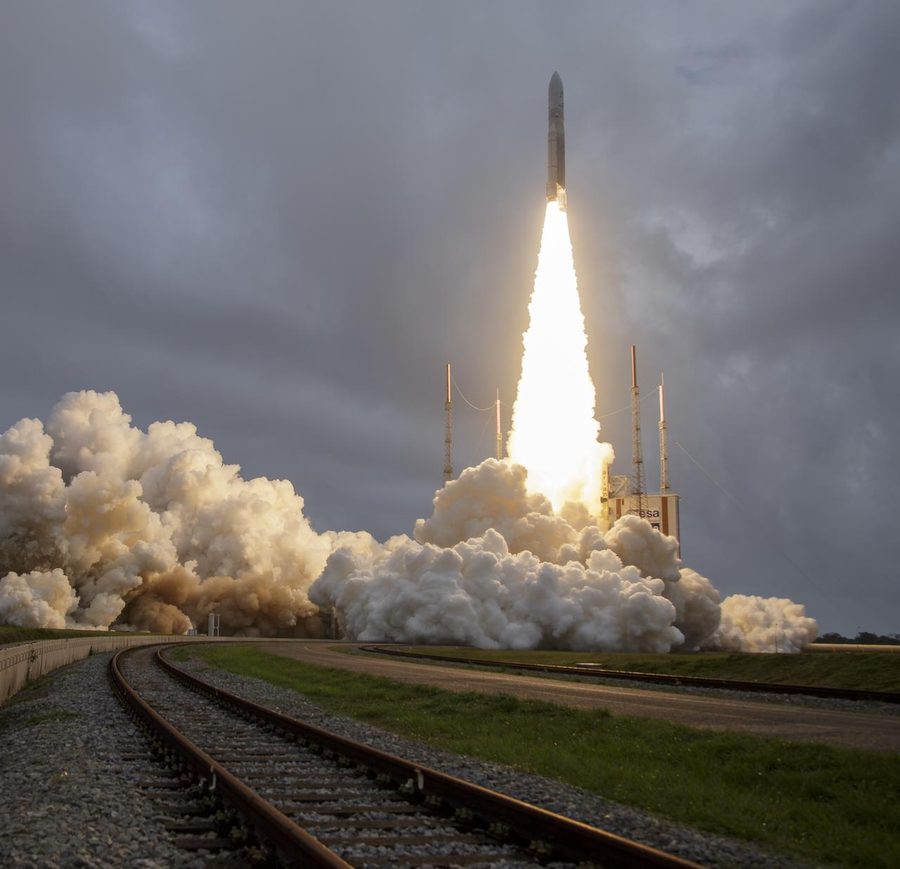 2021–present
James Webb Space Telescope
A cryogenic infrared observatory at the Sun–Earth L2 point, partnered with ESA and CSA.
Photographs are from the NASA Image and Video Library (and NASA/JPL partners where noted). Works of the U.S. Government are generally in the public domain in the United States. Credits appear on each program page. Use does not imply endorsement by NASA.