NASA Programs
International Space Station
A permanently crewed laboratory assembled in orbit by the United States and its partners.
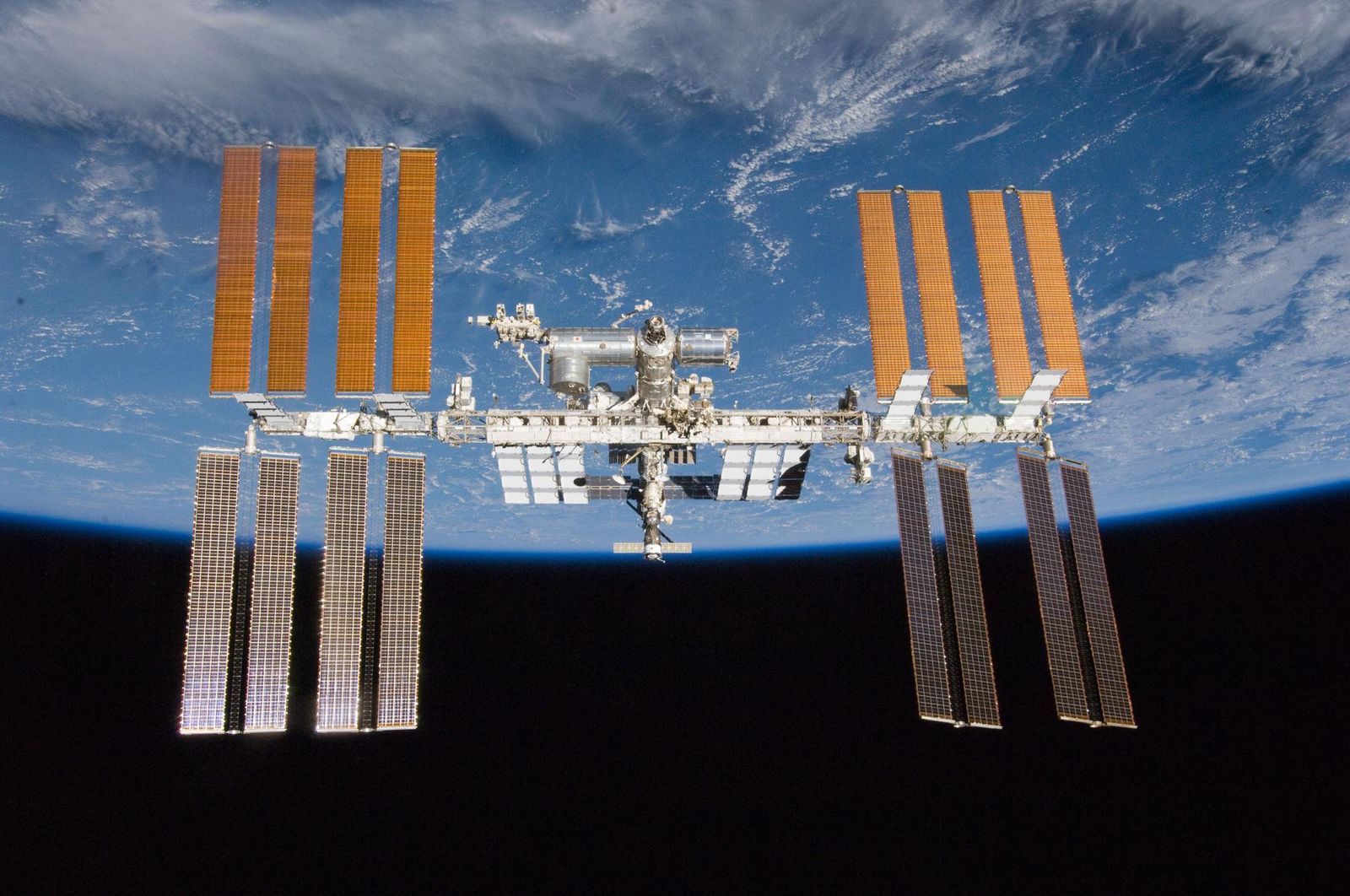
The International Space Station (ISS) is the largest structure humans have assembled in space. NASA leads the U.S. segment; Russia, Europe, Japan and Canada are major partners. The first module, Zarya, launched on a Russian Proton in November 1998. The American Unity node joined it the following month.
Expedition 1 arrived in November 2000. From that day forward, people have lived aboard without interruption. Shuttle assembly flights, Russian Soyuz and Progress vehicles, European and Japanese cargo ships, and later commercial cargo and crew vehicles built and resupplied the station.
The ISS is a laboratory for biology, materials, Earth observation and technology demonstrations, and a proving ground for long-duration life support. It is also the destination that kept U.S. astronauts flying after the Shuttle retired—first on Soyuz, then on commercial crew vehicles.
Milestones
- 1998-11-20Zarya — The first ISS module reaches orbit.
- 2000-11-02Expedition 1 — Continuous human presence in orbit begins.
- 2011-07-21Shuttle retirement — After STS-135, Soyuz becomes the only crewed ride to the ISS until Commercial Crew.
Summary original to flyARIA.com. Photograph: NASA. NASA images are generally not protected by copyright in the United States; credit does not imply endorsement.