NASA Programs
Viking Program
Twin orbiters and landers that first studied Mars from the surface.
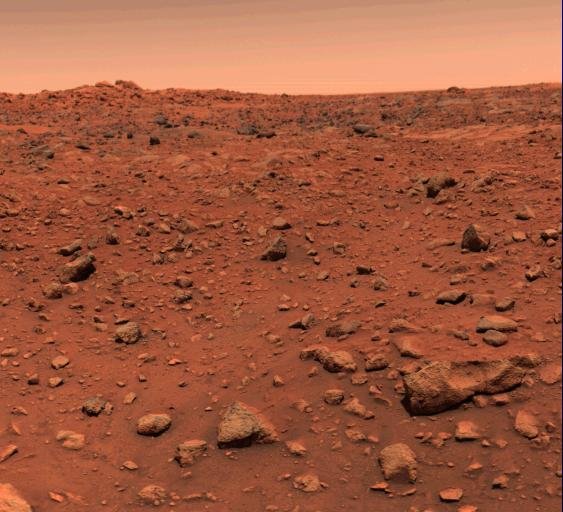
Viking was NASA’s first mission to soft-land working laboratories on Mars. Two combined orbiter-lander spacecraft launched in 1975. Viking 1 landed in Chryse Planitia on 20 July 1976; Viking 2 followed in Utopia Planitia. Both returned the first clear images from the Martian surface and ran biology experiments searching for signs of life.
The biology results were debated and did not yield a consensus detection of life, but the landers and orbiters transformed Mars science: weather records, soil chemistry, orbital mapping and a new baseline for every later Mars mission.
Viking 1’s lander operated for more than six years. The program set the pattern for combining orbital reconnaissance with landed science that later Mars missions still follow.
Milestones
- 1976-07-20Viking 1 landing — First successful U.S. soft landing on Mars; first surface images returned.
- 1976-09-03Viking 2 landing — Second lander reaches Utopia Planitia.
Summary original to flyARIA.com. Photograph: NASA/JPL. NASA images are generally not protected by copyright in the United States; credit does not imply endorsement.